

How Do Assisted Living Facilities in Connellsville, PA Personalize Care?
Assisted living facilities in Connellsville, PA approach each resident as an individual, using a combination of personal assessment and ongoing communication. This means care and daily help are not one-size-fits-all, but are customized based on health conditions, lifestyle preferences, and evolving needs. The goal is to ensure comfort, safety, and an overall good quality of life.
Residents or family members often wonder: What does it really mean to have "personalized care" in an assisted living setting? In practice, it is a blend of formal planning and flexible, day-to-day adjustments that work for both more independent individuals and those requiring extra support.
—
What Does a Personal Care Plan Include?
Every new resident starts with a care assessment, during which staff gather information about medical history, physical abilities, personal routines, and preferences. Based on this, a formal care plan is created. In Connellsville facilities, these assessments are done with sensitivity to privacy and local customs.
A personal care plan typically covers:
- Assistance needs for bathing, dressing, and mobility
- Medication management, including reminders or administration
- Special dietary or nutritional requirements
- Housekeeping and laundry preferences
- Safety precautions (fall risks, mobility aids, etc.)
- Social and recreational interests
These plans are reviewed and updated as health or preferences change, so residents do not feel "locked in" to a routine that no longer works for them.
—
How Are Local Lifestyles and Seasons Considered?
Connellsville’s climate—cold winters, humid summers—means care routines include practical accommodations for the weather. For example, staff may ensure winter footwear is non-slip, help with layering clothing during temperature swings, or adjust hydration reminders during hot spells.
Seasonal traditions and local values are also taken into account. During popular events or holidays in the community, group activities and meals often reflect familiar customs, making residents feel at home. Staff may consult families to include a resident’s favorite foods or cultural practices.
—
How Is Social Engagement Customized?
Every resident’s social needs are unique. Some enjoy frequent group activities, while others prefer quiet or solitary hobbies. Connellsville facilities typically offer both structured programs—like local music events or game nights—and more flexible options, such as gardening or puzzle rooms.
Staff note which activities residents join on their own and may suggest new programs based on observed interests. Family input is especially valuable in keeping options relevant and appealing.
—
What Health and Mobility Supports Are Provided?
Physical assistance is based on individual ability and safety requirements. For instance, a resident with arthritis may receive more help with fine-motor tasks, while someone recovering from surgery might temporarily need extra mobility support. Agreements with local healthcare providers differ, but most facilities coordinate closely with doctors, physical therapists, or visiting nurses to match care to current and changing medical needs.
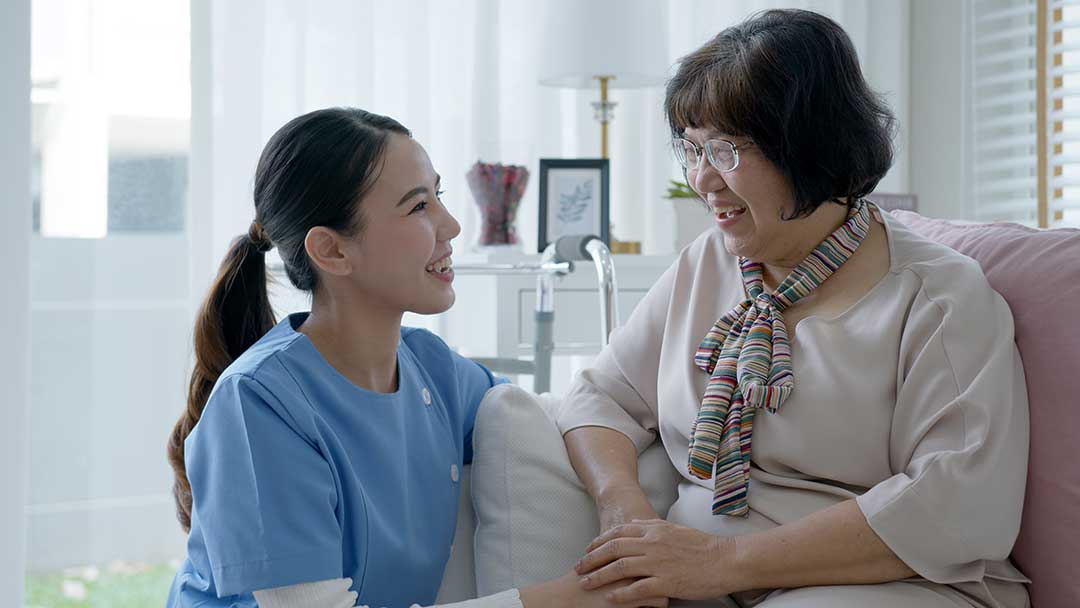
Often overlooked is how staff adjust walking routes, furniture arrangements, or access to outdoor areas for ease and safety, especially with Connellsville’s mix of older buildings and newer renovations. Residents with vision or balance concerns may have simple modifications, like brighter lighting or handrails added in their apartments.
—
How Is Food and Nutrition Handled for Personal Preferences?
Menus are rarely “set in stone.” Connellsville facilities make efforts to learn each resident’s likes, dislikes, allergies, and religious or cultural dietary needs—often during intake or soon after arrival. Meal options reflect local tastes as well as nutritional necessities. Residents can frequently request substitutions or suggest favorite dishes.
Those with specific needs—like low-salt diets, vegetarian meals, or assistance with eating—will have these built into their care routine. Meals may shift seasonally, incorporating fresh produce from the region or comfort foods aligned with changing weather.
—
How Do Facilities Handle Privacy and Independence?
A common misconception is that residents lose privacy or control as care increases. In reality, facilities strive to respect privacy and encourage independence wherever possible. For instance, assistance is discreet—staff knock before entering rooms, and help is given only when necessary or requested.
Residents can choose not to participate in activities, modify their routines, or spend time in private, just as they would in their own homes. In Connellsville, where many families are used to close-knit living, maintaining dignity and autonomy is a central value.
—
What Happens When Needs Change Suddenly?
Unexpected illness, injury, or hospitalizations are handled by updating the care plan—sometimes within hours. Staff may consult with medical professionals, communicate changes with family members, and temporarily adjust support levels, such as adding more frequent wellness checks or extra help during recovery.
This flexibility ensures that even rapid changes in condition are not disruptive to day-to-day life. Local protocols are often shaped by state regulations and best practices for elder care, offering reassurance to both residents and their families.
—
Can Residents’ Preferences Be Changed Over Time?
Residents are encouraged to communicate changes in their preferences or needs, whether it is a shift in daily schedule, a new hobby, or a desire for more or less social time. Staff facilitate regular check-ins, and many facilities in the community hold family meetings or offer suggestion boxes to support open dialogue.
This ongoing feedback loop means residents feel heard, and their experience remains comfortable as their circumstances evolve—making assisted living genuinely individualized for each person.
